Healing Crystal Bracelets: TCM Wellness for Stress Relief & Meditation ! Free shipping!
Healing Crystal Bracelets: TCM Wellness for Stress Relief & Meditation ! Free shipping!
0 0 0 : 0 0 : 0 0 : 0 0
Begin Your RitualDrawer menu

إخلاء مسؤولية: هذا المقال لأغراض إعلامية وتثقيفية فقط. لا يشكل نصيحة طبية, diagnosis, or treatment. Traditional ممارسةs described here are based on historical and cultural beliefs, not modern clinical evidence. استشر دائما مقدم رعاية صحية مؤهل for any health concerns.
A herbal شفاء سوار is often worn daily. Some people choose it for comfort, others for small wellness طقوسs. Materials matter a lot for both feel and durability. Buyers who have checked herbal شفاء سوار cost usually notice that the material explains most of the price difference. Some سوارs use simple خرز, while others combine طبيعي أعشاب with symbolic design elements. Understanding the material helps make better choices.
Most herbal شفاء سوارs fall into a few recognizable material types. Wood and طبيعي خرز are popular because they feel light and طبيعي on the wrist. Some سوارs include dried أعشاب wrapped in small pouches. Crystal خرز appear in some designs, often paired with أعشاب. Elastic cords are common, while higher-end سوارs use durable string or wire. Each material affects comfort, longevity, and price differently.
Many buyers who first explored herbal شفاء سوار cost find that طبيعي materials usually raise the price but improve the experience over time.

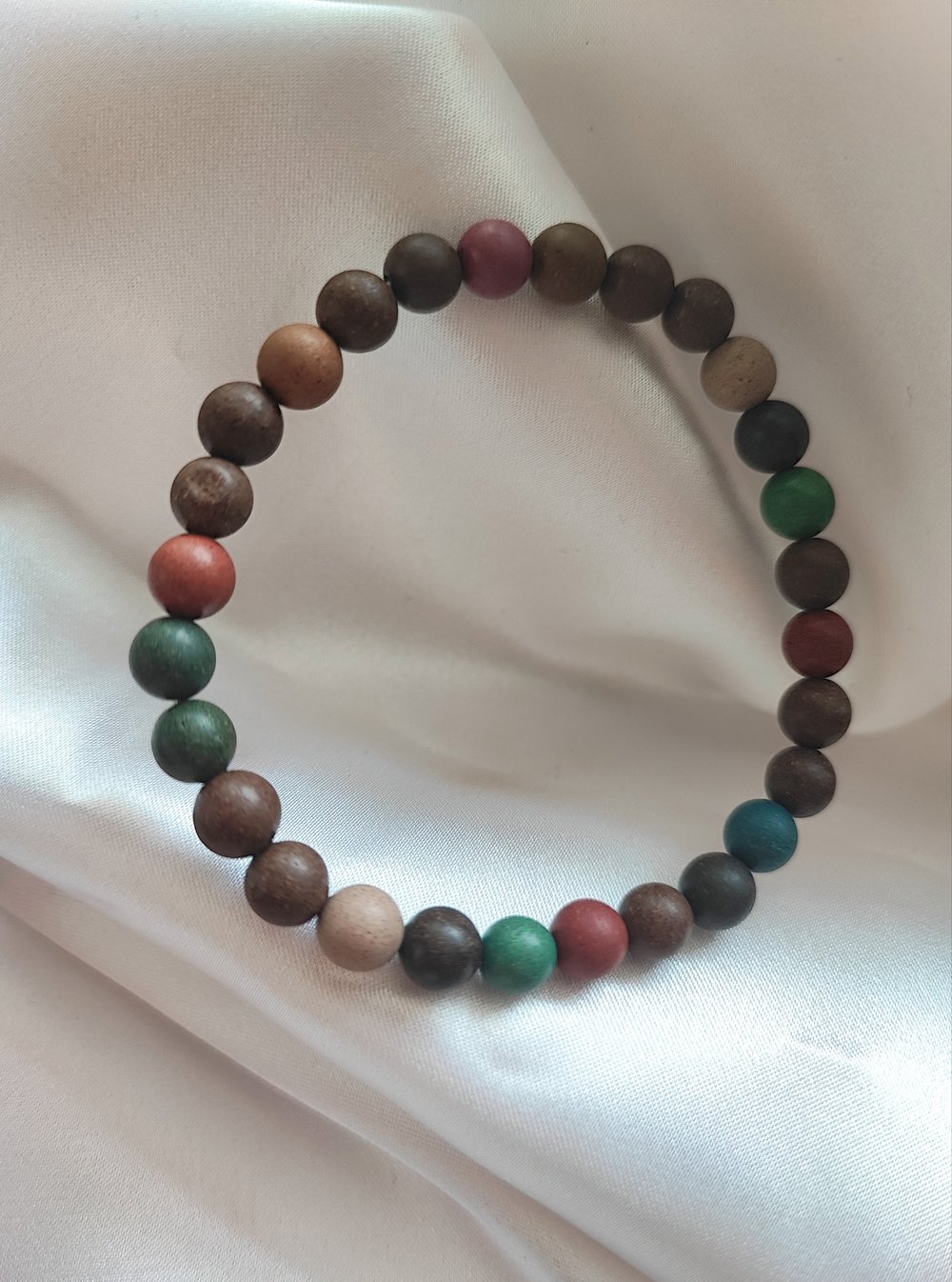

Wood خرز usually feel light but can scratch if hit against hard surfaces. Dried أعشاب inside سوارs may fade over time but provide subtle fragrance. Crystal خرز often feel smooth and cool, giving a tactile comfort. Elastic cords are flexible but may stretch after months of daily use. Durable strings or wires keep خرز in place longer but can feel stiff initially.
Knowing these differences helps buyers decide which سوار matches their daily habits. People who compare herbal شفاء سوار cost and materials usually find that investing a bit more pays off in comfort and longevity.
Start by thinking about daily use. Will you wear the سوار every day or occasionally? Light materials like wood خرز or elastic cords work well for all-day wear.
Check the feel on your skin. Natural أعشاب and كريستالات should not irritate.
Look at durability. Bracelets meant for daily wear should hold together after repeated stretching or movement.
learn about الطب الصيني سوارs.Compare prices. Natural or handcrafted materials often cost more, but most buyers consider it reasonable for long-term use.
Finally, see how the materials align with your personal preference and wellness goals. Some people like the fragrance of أعشاب, while others prioritize smooth crystal textures.
A commonly recommended سوار for everyday use is
👉 this herbal شفاء سوار
which uses طبيعي wood خرز and durable string. It توازنs comfort, daily wear, and طبيعي herbal elements without appearing decorative.


Many buyers avoid large marketplaces with unclear sourcing. Independent stores usually provide detailed descriptions of each material. This information affects both cost and trust.
General wellness sources can help understand how herbal elements work. Sites like Healthline explain lifestyle فوائد, but they do not set material standards or prices.
What are the most common materials for herbal شفاء سوارs?
Wood خرز, crystal خرز, dried أعشاب in pouches, elastic cords, and durable string or wire are the most common.
Does material affect cost?
Yes. Natural and handcrafted materials usually raise the price.
Are some materials better for daily wear?
Light and smooth materials like wood or crystal خرز tend to be more comfortable for all-day wear.
Can herbal materials fade or change over time?
Yes. Dried أعشاب and some طبيعي خرز may change slightly, but they still provide tactile and aesthetic فوائد.
How do I choose materials based on my daily routine?
Consider wear time, comfort, durability, and personal preference. Materials that feel comfortable and hold together under daily use are usually best.


إخلاء مسؤولية: The information in this article is for educational and cultural purposes only. This content is not intended to diagnose, treat, cure, or prevent any medical condition. Always seek the advice of a qualified healthcare provider. Never disregard professional medical advice or delay seeking it because of something you have read on this website.


