Healing Crystal Bracelets: TCM Wellness for Stress Relief & Meditation ! Free shipping!
Healing Crystal Bracelets: TCM Wellness for Stress Relief & Meditation ! Free shipping!
0 0 0 : 0 0 : 0 0 : 0 0
Begin Your RitualDrawer menu

Disclaimer: This article is for informational and cultural education purposes only. It does not constitute medical advice, diagnosis, or treatment. Traditional practices described here are based on historical and cultural beliefs, not modern clinical evidence. Always consult a qualified healthcare provider for any health concerns.
A herbal bracelet is often worn daily, as a personal wellness habit or accessory. The cost can vary widely based on materials, build method, and design. People who have explored herbal healing bracelet materials usually notice that each type of material affects the final price. Knowing this helps buyers decide what suits their daily routine and comfort level.
When people ask “how much does a herbal bracelet cost,” they usually want to know what most buyers pay. Current market listings show five common price ranges.
Lower-cost bracelets often fall between $15 and $30. These are usually simple designs with elastic or basic string. Mid-range bracelets fall between $35 and $65, often using natural beads or hand-assembled designs. Higher-end bracelets start around $70 and can go beyond $100, usually incorporating natural herbs, crystals, or more durable string.
There is no public data that proves one price range is better. Buyers decide based on comfort, materials, and how often they plan to wear the bracelet. Those who have compared herbal healing bracelet materials often find mid- or higher-range options feel better for daily use.

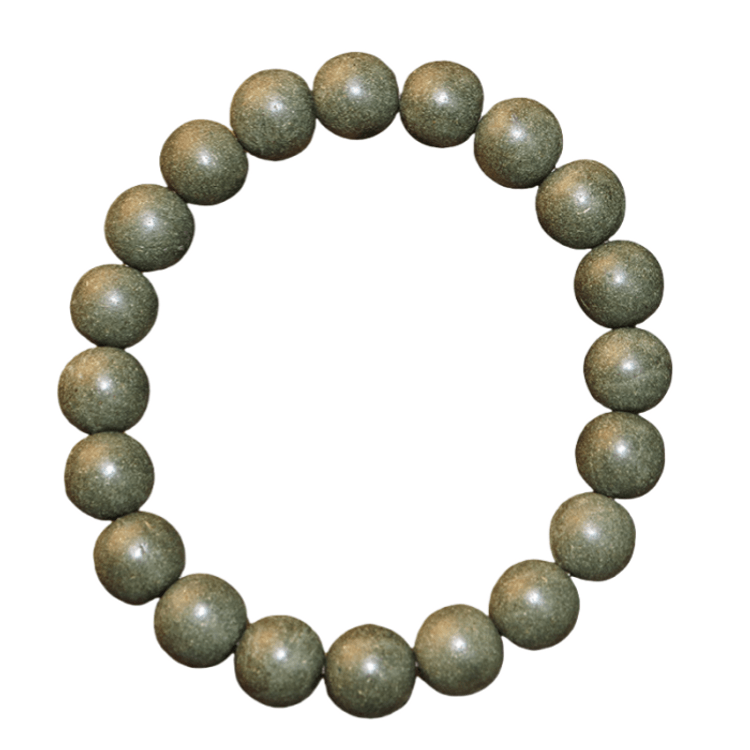
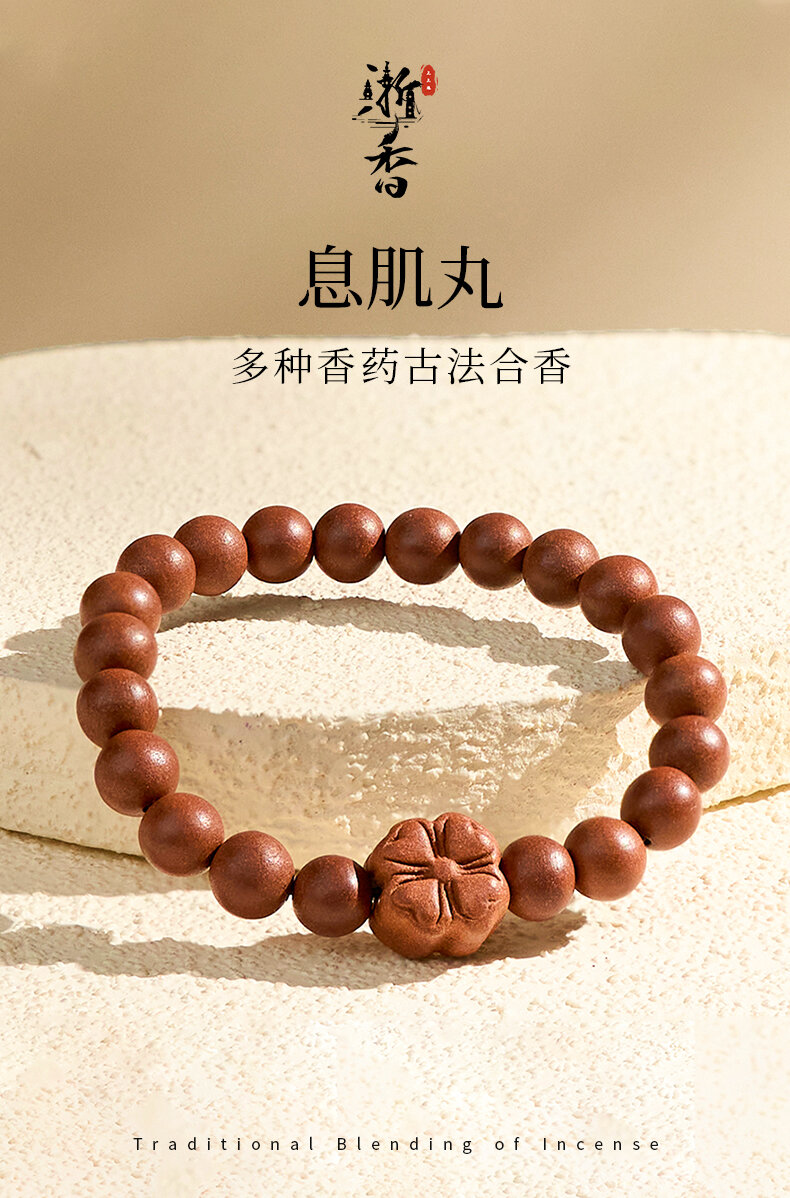
Material is the biggest factor. Natural beads, herbs, or crystals usually cost more. Factory-made or synthetic materials are cheaper.
Build method also matters. Bracelets assembled by hand take longer, which raises cost. Factory assembly is faster and cheaper.
Brand transparency can also affect price. Sellers who clearly explain materials and sourcing may charge more. Buyers often accept the higher price when the explanation is detailed and trustworthy.
Many start by thinking about how often they will wear the bracelet. Daily wear requires comfort and durability. Occasional wear allows for lower-cost options.
Next, buyers check materials. Natural herbs, wood, or crystals usually feel different and last longer.
Some buyers also compare similar bracelets across stores. Large price gaps often relate to materials or build method rather than the design.
Finally, buyers decide based on their habits and what they value in comfort, longevity, and aesthetic.
explore handcrafted bracelets in our shop.Start by checking what materials are used. Natural beads and herbs raise cost. Elastic or synthetic beads lower it.
Feel the bracelet if possible. Comfort matters more than decoration.
Check how it’s assembled. Hand-assembled bracelets are usually pricier.
Compare prices with similar products. Understanding the typical price range helps set expectations.
Lastly, balance your use habits with cost. Daily wear often justifies higher investment in quality materials.
Many buyers who want both comfort and quality consider
👉 this herbal bracelet
which uses natural beads and durable string. It balances wear comfort, natural herbal elements, and price.
Many avoid large marketplaces with unclear sourcing. Independent stores often provide detailed material information. This transparency helps justify cost.
Wellness websites can provide context on herbal uses but do not define price. Buyers rely on material and build quality for cost comparison.
see what Chinese medicine bracelets are.What is the typical price for a herbal bracelet?
Most bracelets are between $15 and $100, depending on material and build method.
Why do prices vary so much?
Materials, assembly method, and seller transparency all affect cost.
Does a higher price mean better results?
There is no evidence that cost guarantees better effects. Comfort and durability are usually the main differences.
Can I wear a cheaper bracelet every day?
Yes, but lower-cost materials may stretch or wear faster.
How do I know which price is right for me?
Consider daily use, material preference, durability, and comfort.


Disclaimer: The information in this article is for educational and cultural purposes only. This content is not intended to diagnose, treat, cure, or prevent any medical condition. Always seek the advice of a qualified healthcare provider. Never disregard professional medical advice or delay seeking it because of something you have read on this website.


