Healing Crystal Bracelets: TCM Wellness for Stress Relief & Meditation ! Free shipping!
Healing Crystal Bracelets: TCM Wellness for Stress Relief & Meditation ! Free shipping!
0 0 0 : 0 0 : 0 0 : 0 0
Begin Your RitualDrawer menu

Disclaimer: This article is for informational and cultural education purposes only. It does not constitute medical advice, diagnosis, or treatment. Traditional practices described here are based on historical and cultural beliefs, not modern clinical evidence. Always consult a qualified healthcare provider for any health concerns.
A herbal care bracelet is worn on the wrist like a normal bracelet. People choose it for daily comfort, routine balance, or personal habits. Some bracelets include natural herbal elements. Others focus on symbolic meaning. There is no single industry definition. This lack of definition explains why prices look inconsistent across stores.
Some buyers treat these bracelets as part of everyday wear. Others buy them as gifts. These two uses create very different expectations. Price often reflects that difference more than design.
When people search for herbal care bracelet price, they usually want to know what others actually pay. Based on public listings and current store ranges, most prices fall into five broad bands.
Lower-cost bracelets often appear around fifteen to thirty dollars. These items are usually mass produced. Mid-range bracelets often sit between thirty-five and sixty-five dollars. Many daily wear options fall here. Higher-priced bracelets usually start around seventy dollars and can go higher. These often use natural materials or slower assembly methods.
There is no verified public data that proves one range works better than another. Buyers usually decide based on comfort, trust, and wear time.


Material choice affects price first. Natural herbal components cost more than synthetic ones. This difference appears quickly when comparing similar designs.
Build method also affects cost. Hand-assembled bracelets take longer to make. That time increases the final price. Factory-made bracelets reduce labor time. This often lowers cost.
Brand behavior also matters. Some sellers explain sourcing and use clearly. Others provide very little information. Buyers often accept higher prices when details feel complete.
Lower-priced bracelets usually focus on appearance. They often look fine at first. After repeated wear, some users notice fading or stretching.
Higher-priced bracelets often feel more stable during long wear. The difference does not always show visually. It often shows after weeks of use.
There is no confirmed research linking higher prices to better outcomes. Most differences relate to comfort and durability.
Most buyers begin by asking how often the bracelet will be worn. Daily wear changes expectations. Comfort becomes important.
After that, buyers check what touches the skin. Natural materials often feel different after hours of wear. This matters more than appearance.
Many buyers also look at how much information the seller provides. Clear descriptions often reflect real cost. Missing details often explain lower prices.
learn about Chinese medicine bracelets.Comparison usually comes last. Large price gaps often relate to material quality or build time rather than design.
Buyers often start by comparing similar bracelets across several stores. This helps establish a normal range.
They then look at material descriptions. Natural herbal elements usually raise cost. Synthetic ones usually lower it.
Some buyers also check how the bracelet is made. Hand-assembled items usually cost more. This does not mean factory-made items are unusable. It only explains price differences.
At the end, buyers compare this information with their own habits. Occasional wear leads to lower price tolerance. Daily wear often leads to higher tolerance.
Start by thinking about wear time. A bracelet worn all day must feel light and stable.
Then consider skin contact. Materials that sit on the wrist for hours should not cause discomfort.
Check how flexible the bracelet feels. Daily wear often exposes weak points faster.
After that, review the seller’s explanation. Clear material details often signal thoughtful production.
Some buyers prefer bracelets designed for long-term daily wear rather than decoration. One example often reviewed for this purpose is
👉 this herbal care bracelet
which focuses on comfort and simple structure instead of visual complexity.
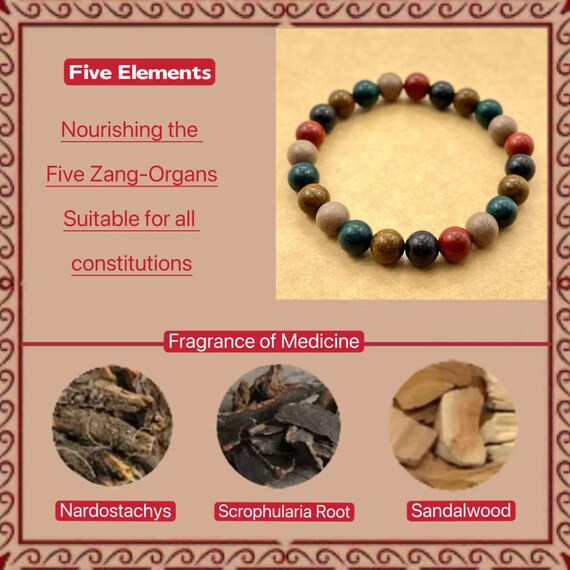
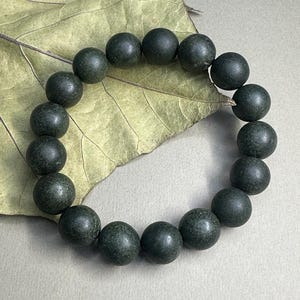
Many buyers avoid large marketplaces. They prefer independent stores that explain materials clearly. This choice affects price but also trust.
General wellness background information can be found on platforms like Healthline. These sources explain daily wellness habits. They do not set pricing standards.
How much do people usually pay for a herbal care bracelet?
Most buyers pay between thirty and eighty dollars. This range reflects differences in materials and build method.
Why do similar bracelets have very different prices?
Material sourcing, build time, and seller transparency all affect cost. There is no fixed industry standard.
Does a higher price guarantee better results?
There is no clear data showing that price guarantees results. Higher prices usually relate to comfort and durability.
Are very low-priced bracelets unsafe to wear?
There is no confirmed data on safety differences. Most differences relate to wear quality over time.
Do people buy herbal care bracelets as gifts?
Yes. Many buyers choose them as daily wear gifts rather than decorative items.


Disclaimer: The information in this article is for educational and cultural purposes only. This content is not intended to diagnose, treat, cure, or prevent any medical condition. Always seek the advice of a qualified healthcare provider. Never disregard professional medical advice or delay seeking it because of something you have read on this website.
Explore related: TCM Herbal Bracelets · Herbal Sleep Aid Bracelets


